Why Some Yolks Are More Vibrant Than Others
There is perhaps no part of an egg more quietly scrutinized than the yolk.
A pale yellow yolk may prompt suspicion. A deep marigold-orange yolk, admiration. Somewhere over the last decade, yolk color became shorthand for quality—proof, in many minds, that a hen lived well and ate richly.
The reality, as with most natural systems, is slightly more nuanced.
Yolk color is influenced primarily by pigments called carotenoids, naturally occurring compounds found in grasses, flowers, weeds, insects, and deeply colored plants. As hens forage, these pigments accumulate gradually in the yolk, producing tones that can range from soft butter yellow to deep amber-orange.
Pasture diversity plays a meaningful role here. A hen moving through varied forage—clover, broadleaf weeds, herbs, seed heads, fallen greens, and insects—encounters a broader spectrum of nutrients and pigments than a hen consuming a more uniform diet alone. Seasonal shifts can influence this as well. Spring and early summer pasture often produces noticeably richer coloration than dormant winter ground.
Even among hens eating the same feed, variation is normal.
Age, breed, weather, stress, laying cycles, and individual foraging behavior all contribute subtle differences. Some hens simply prefer certain plants over others. Some spend more time actively ranging. Others remain close to familiar areas. No two yolks emerge exactly alike because no two hens move through the landscape in precisely the same way.
At Sisterly Farms, yolk color changes throughout the year. During periods of lush pasture growth, the yolks often deepen naturally into richer golds and oranges. During colder months, they may soften slightly in tone. Neither state is inherently “better.” Both are reflections of seasonality, environment, and the natural variability that comes with real food systems.
This is where yolk color becomes both informative and misleading.
A vibrant yolk can suggest access to pigment-rich forage or feed ingredients. It may indicate dietary diversity. It may reflect seasonal abundance. But color alone cannot fully determine nutritional value, animal welfare, freshness, or farming practices.
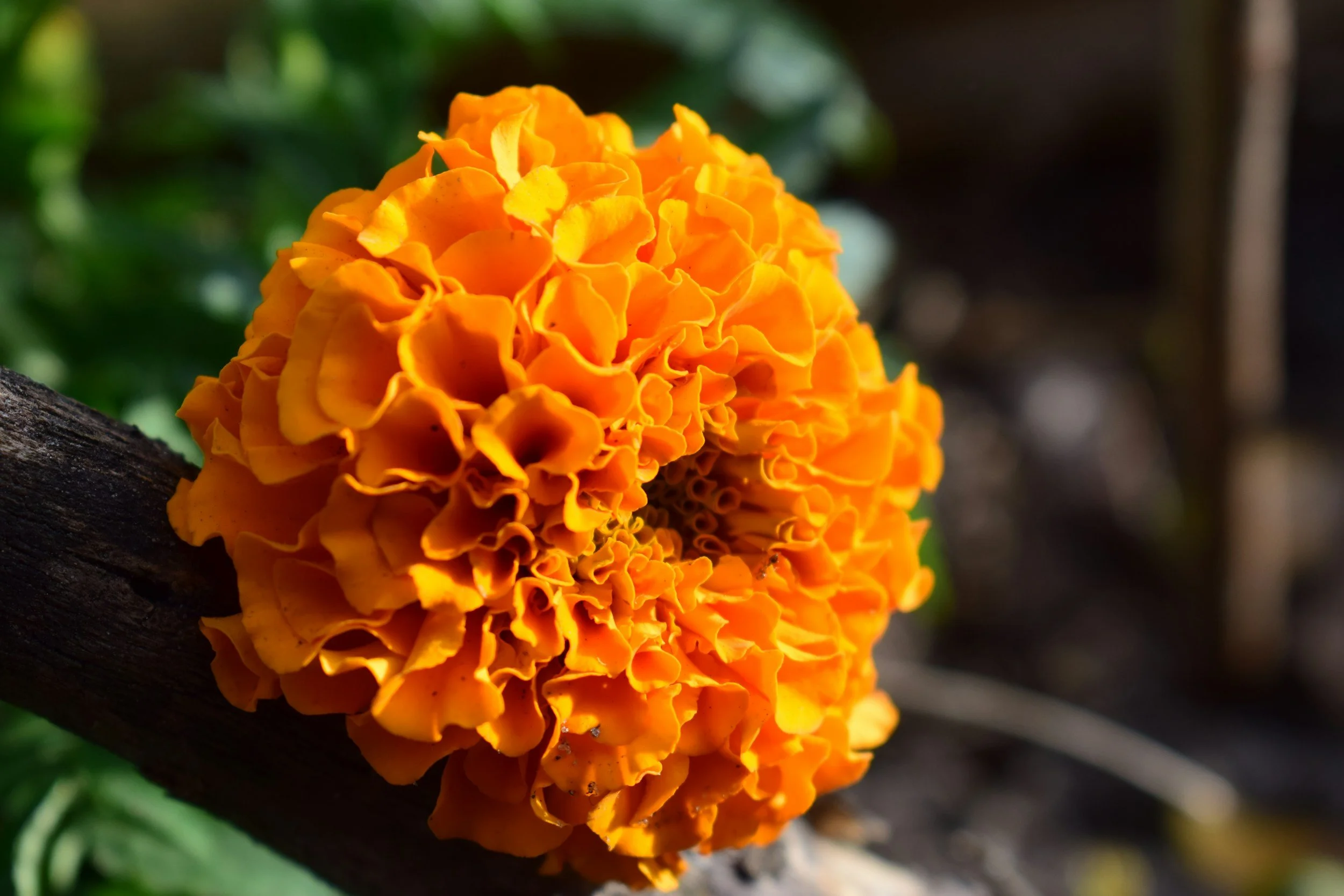
In commercial systems, yolk pigmentation can also be influenced intentionally through feed formulations containing natural pigment sources such as marigold petals, paprika, or alfalfa. A darker yolk does not automatically guarantee pasture access, just as a lighter yolk does not necessarily indicate poor quality.
Color tells part of the story. Not the entire one.
Still, there is something compelling about the subtle differences found in naturally produced eggs. A carton containing slightly varied shades—gold beside amber beside pale sunflower yellow—often reflects what industrial uniformity attempts to erase: environmental variation, changing seasons, and the small inconsistencies that emerge when living systems are allowed to behave naturally.
Perhaps that is part of the fascination.
The yolk becomes less a standardized product and more an observation. A small record of what a hen encountered across a field, a pasture rotation, or a particular stretch of weather.
And in that sense, the variation itself may be the most honest signal of all.
